Appliance disposal
The Florida-friendly way to retire an old appliance.
Refrigerators, washers, dryers, AC units — what's legal, what's recyclable, and what you cannot just leave at the curb.
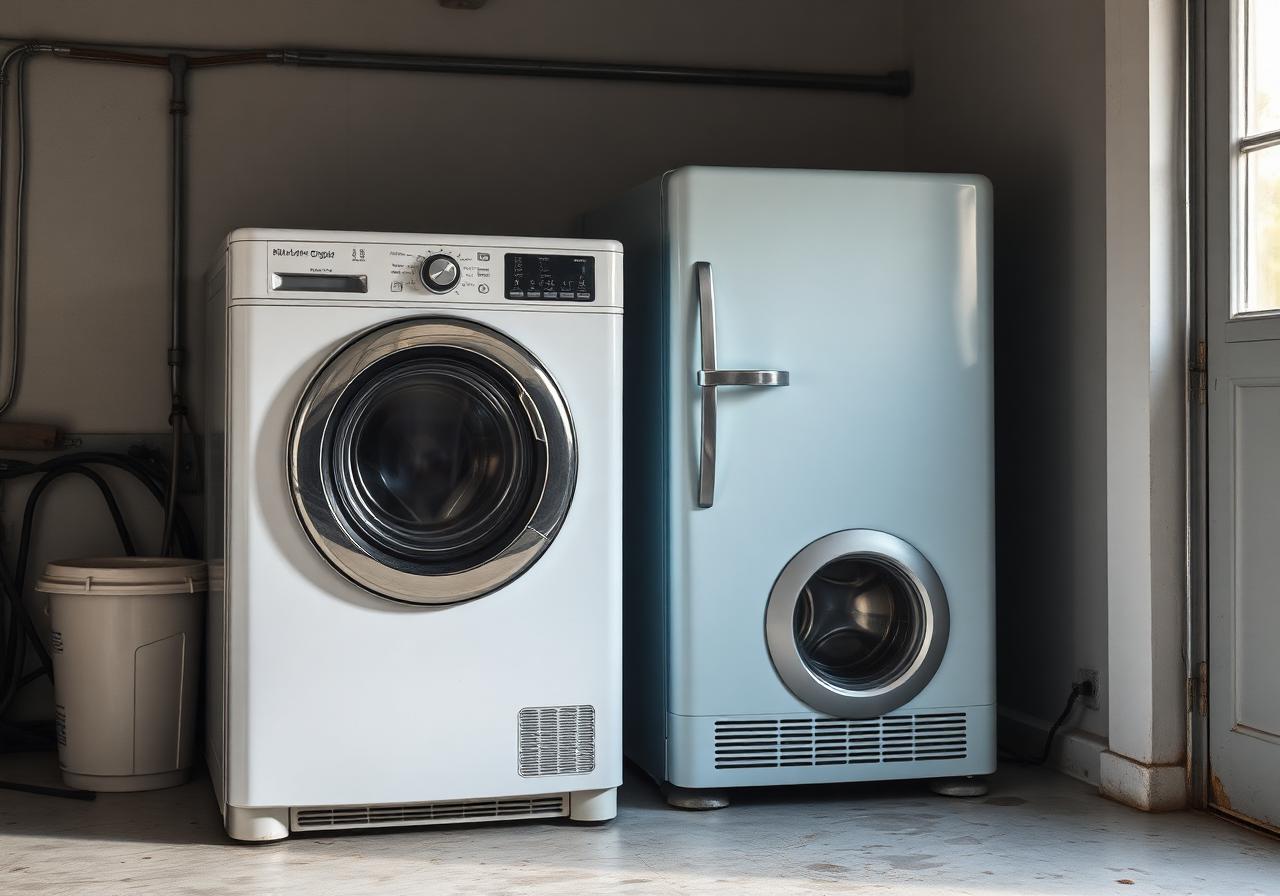
Why appliances are a special case
Many household appliances contain refrigerants, motor oils, capacitors, or refrigerant-lined insulation. In Florida, the EPA's Section 608 rules require that refrigerants be recovered by a certified technician before the appliance is crushed or recycled. That's why a fridge can't just sit at the curb on bulk day.
The "white goods" group — fridges, freezers, AC, dehumidifiers
These need refrigerant recovery before disposal. Your options:
- Retailer haul-away. When you buy a new appliance, most stores offer to take the old one for a small fee — they handle the refrigerant.
- Scrap metal recycler. Many will pick up appliances and may even pay for them, depending on weight and condition.
- Licensed junk hauler. A local pro will pull the refrigerant, transport it, and route the metal to a recycler.
What not to do: drag a fridge to the curb without arranging pickup. Palm Coast bulk waste does not collect refrigerant-containing units.
Washers, dryers, dishwashers, and ranges
These don't contain refrigerants, but they're heavy, and they're almost entirely metal — which makes them excellent candidates for scrap recycling rather than the landfill. Three good paths:
- Schedule a Palm Coast bulk pickup if the unit is in good curbside-accessible shape.
- Drop off at a Flagler County scrap yard — many will weigh and pay on the spot.
- Donate working units under ~7 years old to Habitat ReStore.
Microwaves, small appliances, and toasters
Microwaves contain a high-voltage capacitor that holds a charge even when unplugged — please don't take one apart at home. They're accepted as e-waste at Flagler County electronics recycling events. Small appliances (toasters, blenders, vacuums) can usually go to e-waste drop-off as well.
Air conditioning units (window and central)
A window AC is the same story as a fridge — refrigerant first, then metal recycling. Central AC condensers should be removed by a licensed HVAC contractor, who will recover the refrigerant and typically arrange disposal as part of the install of the replacement unit.
When a hauler earns their fee
Anything in a second-floor laundry, a tucked-in kitchen, or a unit that needs disconnecting (water lines, gas, 240V plugs) is a job worth outsourcing. Local providers like JunkRemovalPalmCoastFL.com handle disconnect, refrigerant compliance, and recycling in one stop.
Bigger project? See the full garage cleanout guide or use the junk volume estimator to plan your haul.